
 THE ART OF GATHERING
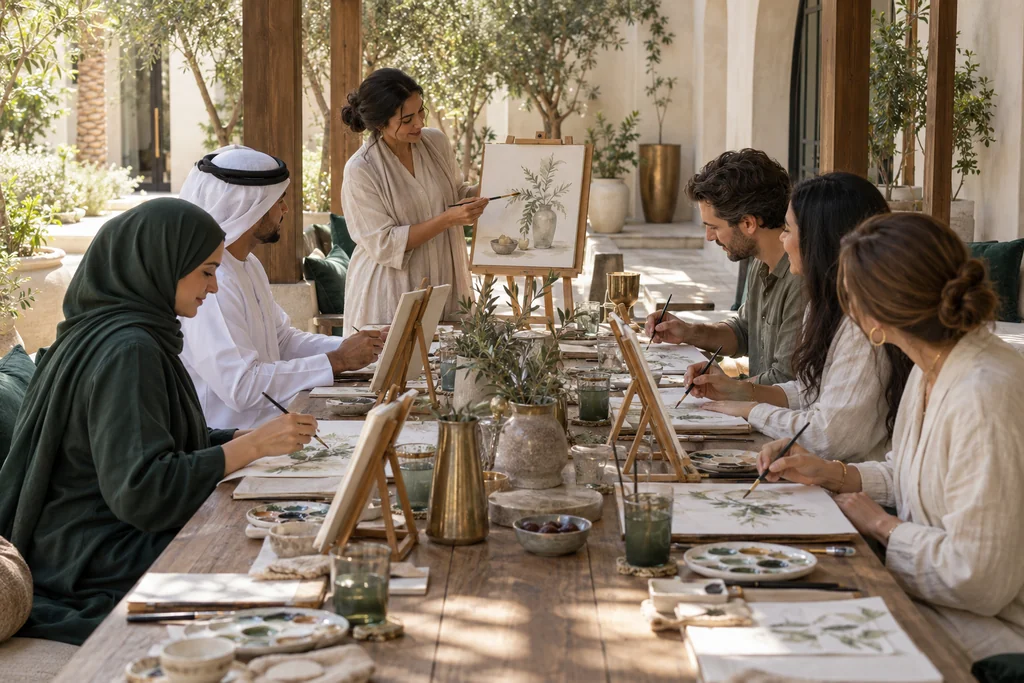
A team outing begins with a practical question: what would make this time worthwhile for the people attending? Starting there makes it easier to choose a setting, plan the day and explain the proposal to the person approving it.
The answer need not be ambitious. You may want to thank colleagues, welcome a new team or simply give people time together away from their usual routine. Be specific about that purpose, and let it guide the programme.
Give the occasion one clear purpose
“A relaxed afternoon to thank the team” is a more useful brief than “something different.” It helps distinguish a social gathering from a training session, a celebration or a physically active day.
Keep the claim proportionate to the occasion. A shared experience can create time for conversation; it does not, by itself, guarantee better productivity or solve organisational problems. If the business needs facilitated development, describe that separately rather than expecting a recreational outing to carry the responsibility.
Plan for the people who will be there
Headcount is only the beginning. Consider where people will travel from, how much of the working day is available and whether the programme offers comfortable ways to take part at different energy levels.
Invite practical requirements through a named contact and handle personal information privately. A person should not have to explain a sensitive concern in front of colleagues to request accessible seating, a dietary arrangement or an alternative to an activity.
Optional participation should be a real choice. A quiet alternative that feels like part of the occasion is more welcoming than leaving someone to wait on the sidelines.
Choose a format before choosing the extras
A creative social can work in an office or at a hospitality venue. A staff-appreciation meal puts the emphasis on welcome and conversation. A coastal day adds a change of scene, while an overnight format introduces rooming and a longer commitment away from home.
These are distinct formats, not simply different backdrops for the same programme. For example, We Love Art’s corporate offer distinguishes individual painting, collaborative pieces and office-delivered activities. The useful planning lesson is to choose the kind of participation first, then confirm the instructor, materials, space and refreshments for that particular arrangement.
Pick one main shared activity and leave it enough time. Adding more sessions can reduce the space people have to arrive, settle in and enjoy each other’s company.
Put the practical arrangements in one place
A proposal should make it easy to see what the organisation is approving. Ask for a single, clear account of:
- The date, approximate headcount, location and programme.
- The agreed food and drink selection, including dietary coordination.
- Any transport, pickup points and attendance handover.
- The activity provider, materials or equipment, and participation requirements.
- The space and facilities being used, including any private or shared areas.
- The total price, optional extras, payment stages and attendance-change deadlines.
- The weather alternative and the cancellation or change arrangements.
Do not assume an item is included because another company’s package normally contains it. Transport, lunch, venue access and activity materials need to be confirmed for your actual proposal.
Allow for the whole day
The published activity time is only one part of the experience. Consider departure, arrival, a comfort break, introductions, food service, transitions between spaces and the journey home.
For a coastal outing, compare the time at the destination with the time spent travelling. A programme that looks relaxed on paper can feel hurried if every transition has been compressed. Ask the planner to walk through the day from the first pickup to the final handover.
Agree who can make an on-the-day decision for the company and who will coordinate the suppliers. Give participants one clear route for practical questions, rather than several overlapping messages.
Make approval straightforward
A concise initial brief is enough to start a useful conversation. Share the occasion’s purpose, the approximate number of people, preferred dates or flexibility, the area you have in mind and an indicative budget if one has been agreed.
It is also helpful to say what you do not want: a long journey, compulsory games, a late finish or an activity that excludes part of the group. These preferences can narrow the options more effectively than an elaborate theme.
Before confirming, identify the person approving the programme and the person authorised to approve spending. Keep the accepted scope and later changes together so the organiser and supplier are working from the same version.
Learn something useful afterwards
Ask a few specific questions: was the pace comfortable, could people participate in a way that suited them, and were the promised arrangements delivered? Record the responses alongside attendance and actual spending.
That gives the next outing a better starting point than a general declaration that everybody had a wonderful time. A thoughtful occasion is judged by the people it was planned for.